
Video has evolved into one of the easiest ways that people absorb information in the present. Video clips convey much more than a long page of text. Visual content is utilized to browse through feeds of social media look up tutorials, browse through product demos or learn new techniques. The biggest challenge has always been creating. Professional video requires equipment, editing skills as well as time. AI video technology has closed the gap.
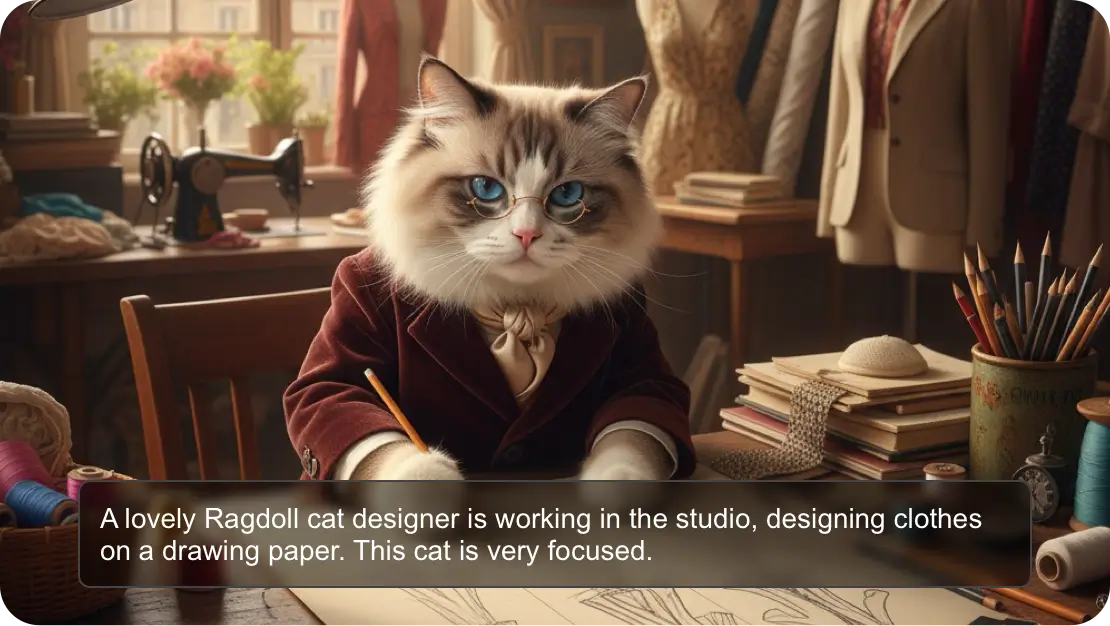
Image credit: vivideo.ai
Vivideo.ai allows anyone to create polished videos without having any technical knowledge. Instead of worrying about complicated software or complicated timelines, users are able to focus on what they are trying to say. The system will handle all the rest on its own.
Create Video in a Different Way
Video production is a tense process. Planning, filming, editing, voice recording, exporting. Each step requires people equipment, money and tools. The process can be simplified with the use of an AI video maker. You describe your idea. The system creates a complete video of it.
Content creators are now a much greater number of people. Small-scale business owners create marketing videos. Teachers create lessons. Coaches provide training materials. Social creators are able to remain consistent without burning out. The process feels closer to writing than editing.
Converting thoughts into visual content
Text to video is among the most useful options available today. You paste a script. The AI will pick images that align with the message. The music plays automatically. The voice narration is added with a neutral tone. The result is as if it was something that would have required a full production team.
The person who is hesitant no more. The people no longer have to need to wait for the ideal conditions. They quickly test new ideas. Based on feedback, they refine their content. They publish more often because the barrier is perceived as low.
Giving motion to still images
Another powerful tool is image to video. Images on their own are usually flat. AI adds visual flow, motion and timing. A few images turn into a story. A simple product image becomes an encapsulated promo. A collection of slides transforms into an educational video.
It can be used to promote your product, tell stories and online presentations. It doesn’t require any animation expertise. The system can generate motions that appear natural.
Editing without Frustration
Beginning users are overwhelmed by conventional editing tools. Layers, timelines, formats confuse most people. AI platforms take away that burden. Users adjust the scene using easy controls. Change the pace. They swap images. They write narration in a different way.
Subtitles automatically display in a variety of languages. That helps reach wider audiences. Also, it improves accessibility for viewers who want captions.
Voices that sound real
The AI voice technology is now such that it sounds human. You choose to speak in a tone, language or style. The voice is appropriate for the message. No microphone needed. No studio setup. No retakes.
Some platforms even include digital presenters. They are animated and speak to the screen. They’re ideal to convey training information, explainers, business updates. The content feels authentic without needing real filming.
Quality without Compromise
AI-generated video can be made with high resolution. Content can be used for use on YouTube, TikTok Instagram, LinkedIn. The formats are automatically modified. You create once. You share everywhere.
It saves you time. It also ensures consistency of branding across platforms.
Why AI video feels different
It’s not an technical change that makes the real difference. It’s an emotional change. People don’t worry about tools anymore. Their focus is on concepts. They enjoy experimenting. They are free to experiment.
Vivideo.ai makes video production less stress-inducing. You compose. You write. You publish. The technology fades into the background.
AI video doesn’t replace creativity. It can reduce friction. It lets users share stories, lessons and know-how without feeling constrained by their complexity. The future of content is lighter, speedier, and more human.